The Center for Health and The Social Sciences
For more than 75 years, The University of Chicago has been a leader in research and training at the intersection of health and the social sciences. The Center for Health and the Social Sciences, founded in 2005, continues this legacy through our support of interdisciplinary health research and training initiatives on campus.
CHeSS is a place and an idea. Our facilities comprise more than 10,000 square feet of dedicated offices, conference rooms, and research facilities in the heart of the University of Chicago’s Hyde Park campus. We support and promote innovation and collaboration, as well as excellence in research, scholarship, and training.
Our 106 faculty associates come from virtually all schools and divisions at the University, and collectively define CHeSS’s identity as an incubator of ideas and supporter of research in health and the social sciences. Throughout the year, CHeSS sponsors regular seminars and workshops on campus, and invites nationally-known scholars and policymakers to speak on a variety of topics, including new drug discovery and regulation, health economics, and national health care reform.
Moreover, CHeSS staff supports the writing and submission of grant applications and fundraising proposals, brainstorms and coordinates new research initiatives and projects, and provides expert research methods consultation during formative and operational phases of work.
CHeSS Community

CHeSS Director
CHeSS Director
Meet our director David Meltzer. Dr. Meltzer founded CHeSS in order to advance the University of Chicago's Interdisciplinary approach to health research and training.
+ learn more
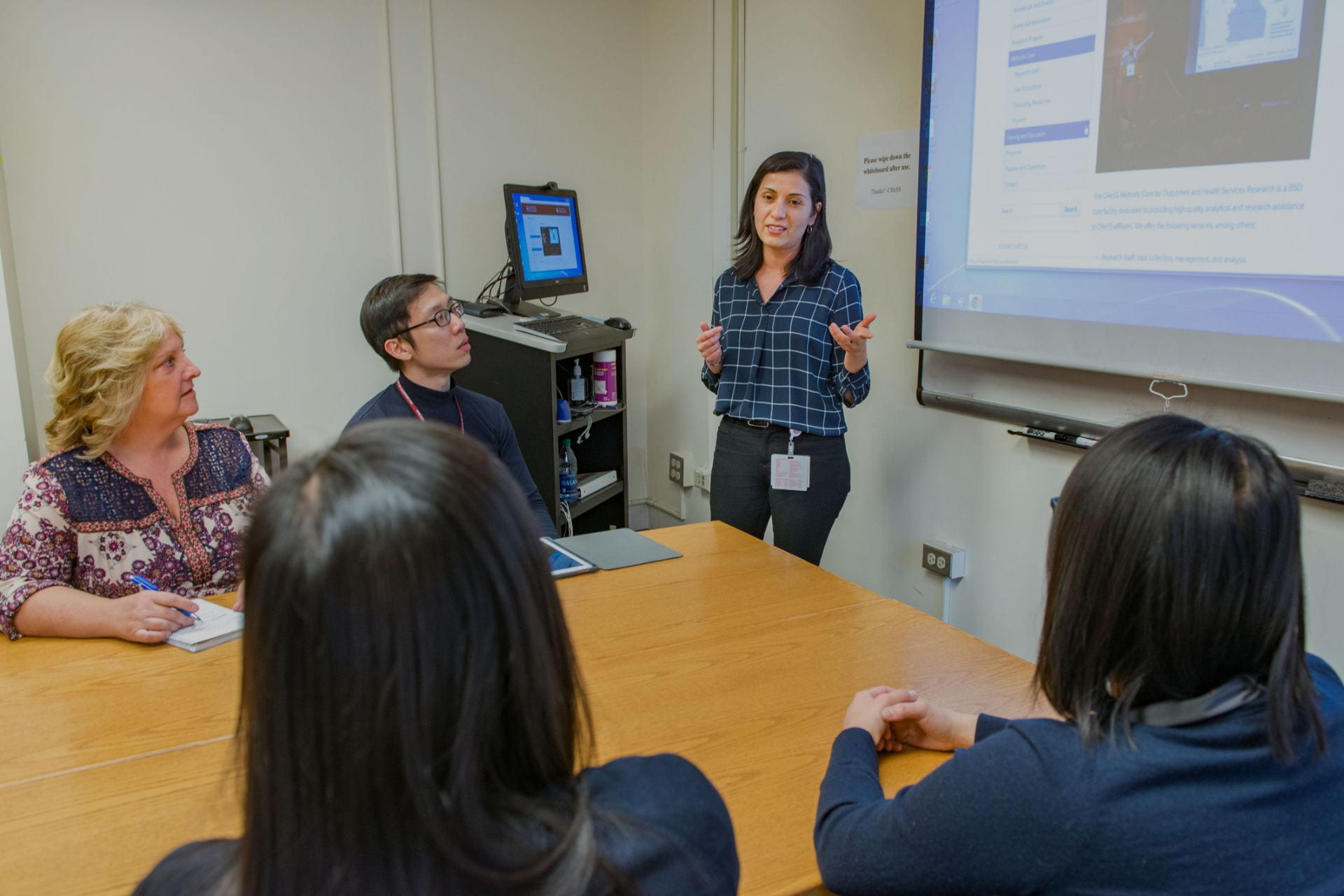
CHeSS Staff
CHeSS Staff
Meet the Center for Health and the Social Sciences team that support the endeavors of scholars working at intersection of health and social sciences.
+ learn more
Faculty Affiliates
Faculty Affiliates
Access the dynamic and expansive list of CHeSS affiliates here.
+ learn more

Trainees
Trainees
CHeSS is proud to support over 30 trainees and scholars who are affiliated with the Center's various training programs. Learn more about each of our trainees and scholars here.
+ learn more
Get Involved
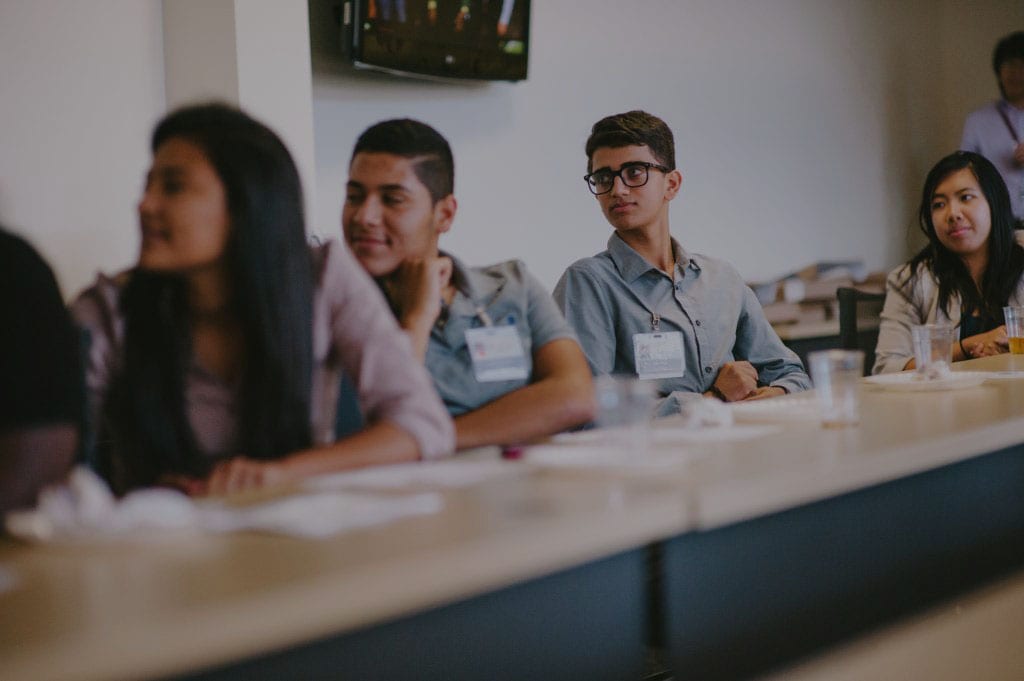
Workshops
Workshops
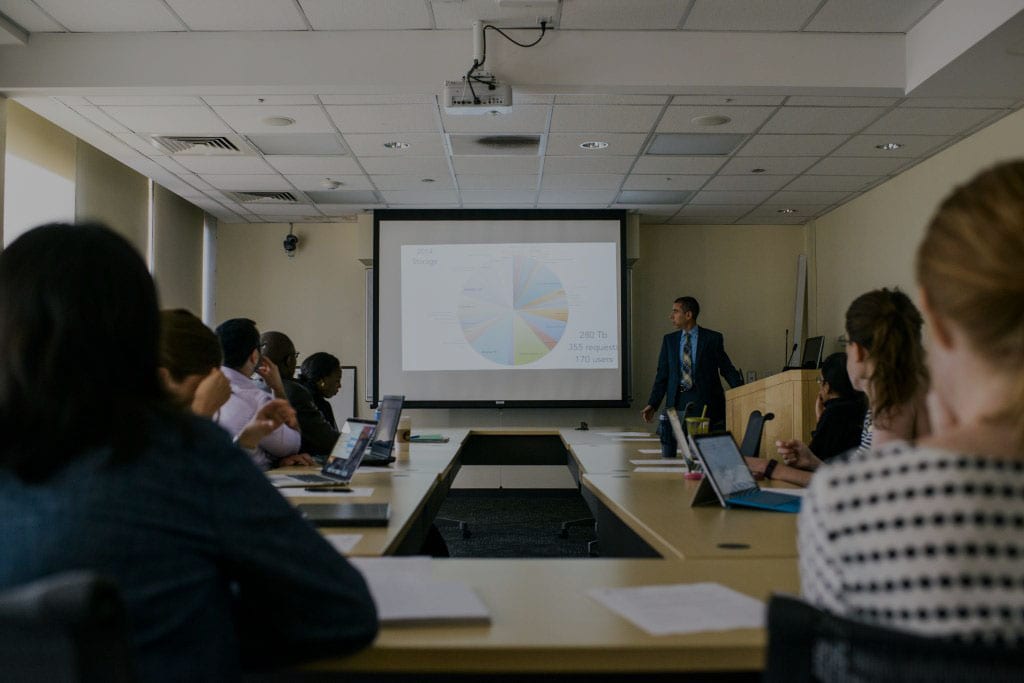
CHeSS supports several regular workshops and lecture series throughout the academic year, including the Outcomes Research Workshop and Health Economics Workshop .
+ learn more
Training
Training
CHeSS provides training opportunities and professional development at each educational and career level.
+ learn more
Grants
Grants
From Pre-Award to Post-Award, our grants administration experts help with every step of the funding process.
+ learn more
Data
Data
The CHeSS staff has extensive experience implementing a myriad of data collection processes. We can assist with sample design, power analysis, and data capture process design.
+ learn more
CHeSS E-News
Receive updates on chess affiliates in the news, CHeSS programs, and announcements
Outcomes Research Workshop
ORW takes place select Wednesdays at 8:30 via Zoom or In-person
For more information about ORW including upcoming workshops, click here.
Health Economics Workshop
For more information about HEW including upcoming presentations, click here.